The Department of Film Studies at Jadavpur University, established in 1993, was the first of its kind in India. In a way this is a fair reflection of the strong film culture in this city. Satyajit Ray proposed the study of cinema as an academic subject when, in 1980, he visited the University to accept an honorary D.Lit. Jadavpur University has an enormous support base for a discipline like Film Studies. It has a considerable fund of expertise in the three faculties of Arts, Science and Engineering, and a very good infrastructural base. The strong cultural and intellectual tradition of Calcutta has also been of considerable importance in providing the right kind of atmosphere for the study of a frontier discipline.
Along with MA and BA (Extra-Departmental) courses a PhD programme has been introduced. The Department has already become a meeting ground for the best film scholars in the country. With a special arrangement for visiting faculty, it has been possible to maintain a steady stream of distinguished visitors, from both home and abroad.
The new MA and BA (Extra-Departmental) curriculum, introduced in 2013, incorporates the recent developments in the field and reflects the experience that we have gained in the past years. The primary aim is to produce a critical mind in the student to engage film and media actively in life, rather than be passive recipients of images. The courses are meant to produce critics and scholars, planners and advisers, teachers and journalists, and also practitioners of film ready to make use of critical knowledge. The curriculum is designed to familiarize students with both the rudiments of film form and the most advanced theories of film practice. It is historically inclusive and theoretically intensive in nature.
Though cinema constitutes a broad space in the curriculum, there are also courses on Media Studies and Communication Studies. Contemporary theoretical and historical research in media forms such as newspaper, radio and television and the Internet will be discussed with due importance in these courses. At the same time, the students will be encouraged through projects and fieldwork to develop their own critical perspectives on recent developments in media practices. The Indian context is studied with special emphasis in most of the papers, often in connection with other non-western cases such as Japan, the Latin American countries, China and Iran.
From getting to know the aesthetic aspects of film and the current intellectual debates on culture and society to acquiring skills of writing creatively on culture and media and gaining hands-on experience in audiovisual production, the student in the Department will have an exciting journey ahead.
Along with MA and BA (Extra-Departmental) courses a PhD programme has been introduced. The Department has already become a meeting ground for the best film scholars in the country. With a special arrangement for visiting faculty, it has been possible to maintain a steady stream of distinguished visitors, from both home and abroad.
The new MA and BA (Extra-Departmental) curriculum, introduced in 2013, incorporates the recent developments in the field and reflects the experience that we have gained in the past years. The primary aim is to produce a critical mind in the student to engage film and media actively in life, rather than be passive recipients of images. The courses are meant to produce critics and scholars, planners and advisers, teachers and journalists, and also practitioners of film ready to make use of critical knowledge. The curriculum is designed to familiarize students with both the rudiments of film form and the most advanced theories of film practice. It is historically inclusive and theoretically intensive in nature.
Though cinema constitutes a broad space in the curriculum, there are also courses on Media Studies and Communication Studies. Contemporary theoretical and historical research in media forms such as newspaper, radio and television and the Internet will be discussed with due importance in these courses. At the same time, the students will be encouraged through projects and fieldwork to develop their own critical perspectives on recent developments in media practices. The Indian context is studied with special emphasis in most of the papers, often in connection with other non-western cases such as Japan, the Latin American countries, China and Iran.
From getting to know the aesthetic aspects of film and the current intellectual debates on culture and society to acquiring skills of writing creatively on culture and media and gaining hands-on experience in audiovisual production, the student in the Department will have an exciting journey ahead.
Head Of The Department : Prof Abhijit Roy
| No. of teachers with Ph.D / D.Sc. as the highest qualification | 7 |
| No. of teachers with M.Tech/M. Phil. as the highest qualification | 1 |
| Professors | |||
| Photo | Name / Qualification | Telephone No. / Email ID | Specialization |
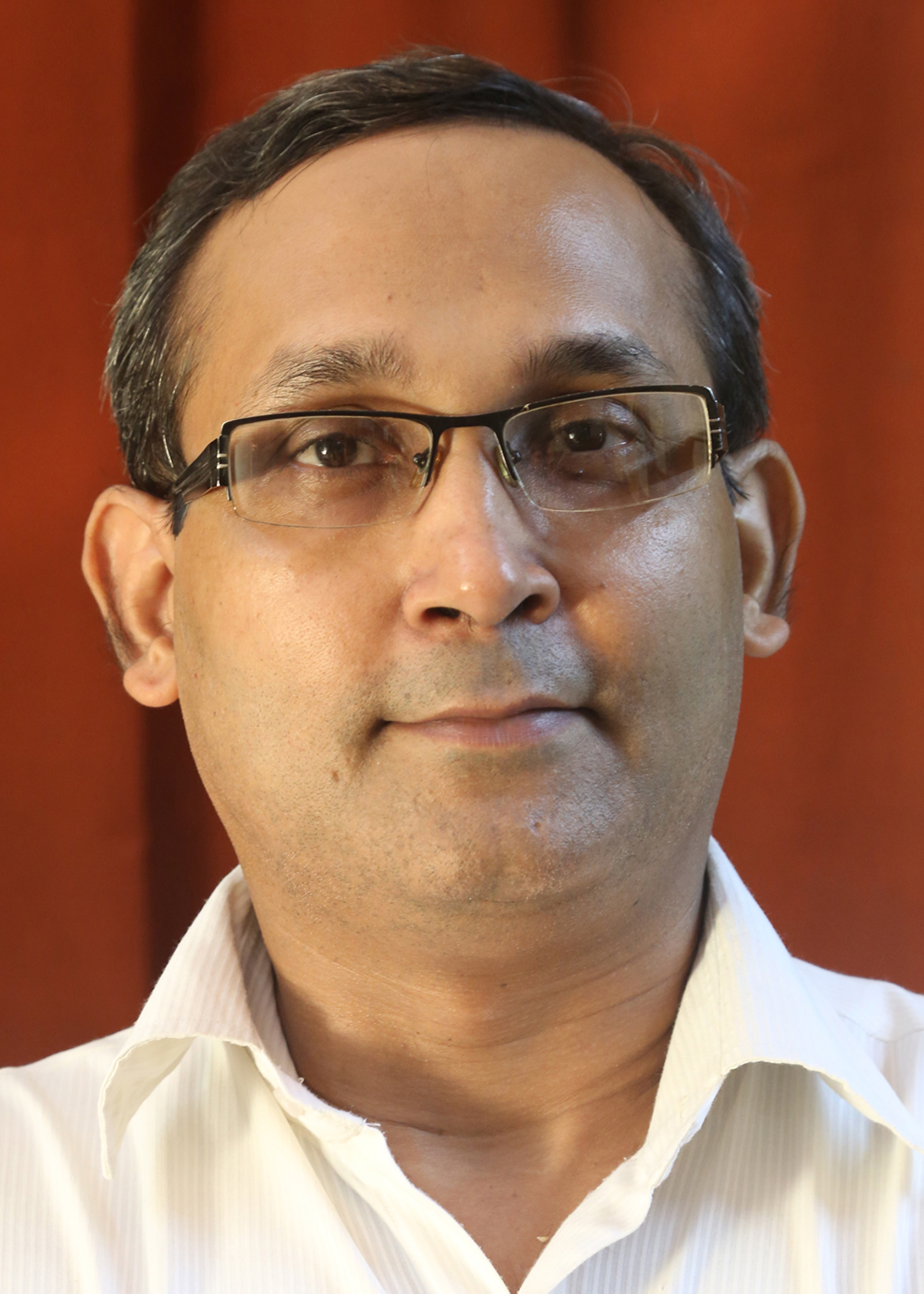 |
Abhijit Roy Ph.D. |
abhijit.roy@jadavpuruniversity.in / abhijit.ju@gmail.com |
Television Studies, Media Theory, Popular Culture |
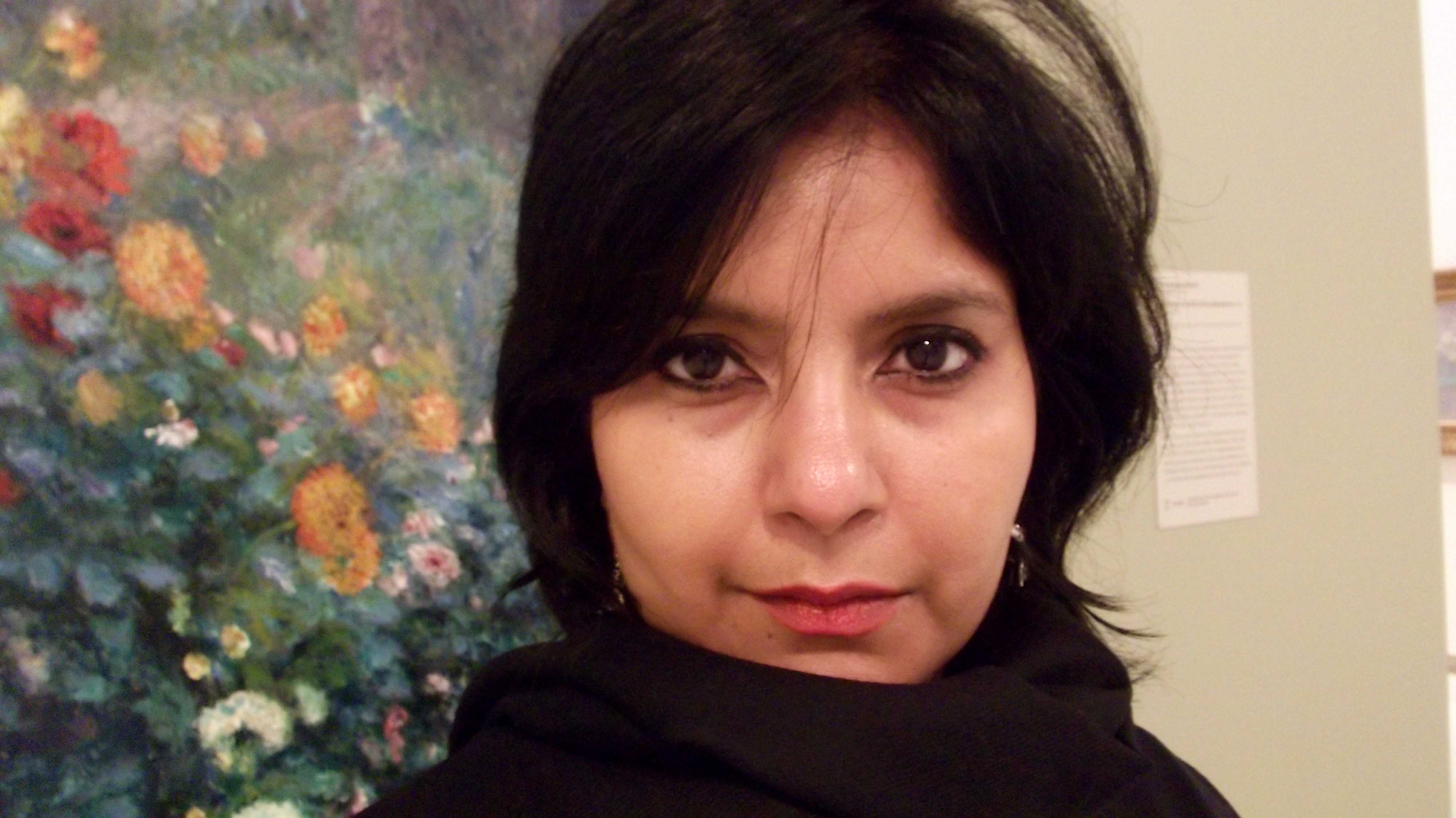 |
Madhuja Mukherjee Ph.D. |
madhuja.mukherjee@jadavpuruniversity.in / madhuja1@yahoo.co.in |
Mukherjee’s primary research is on the ‘Indian film industry’; as well, she is involved with database building, archival projects, and research on technological transformations in India.
|
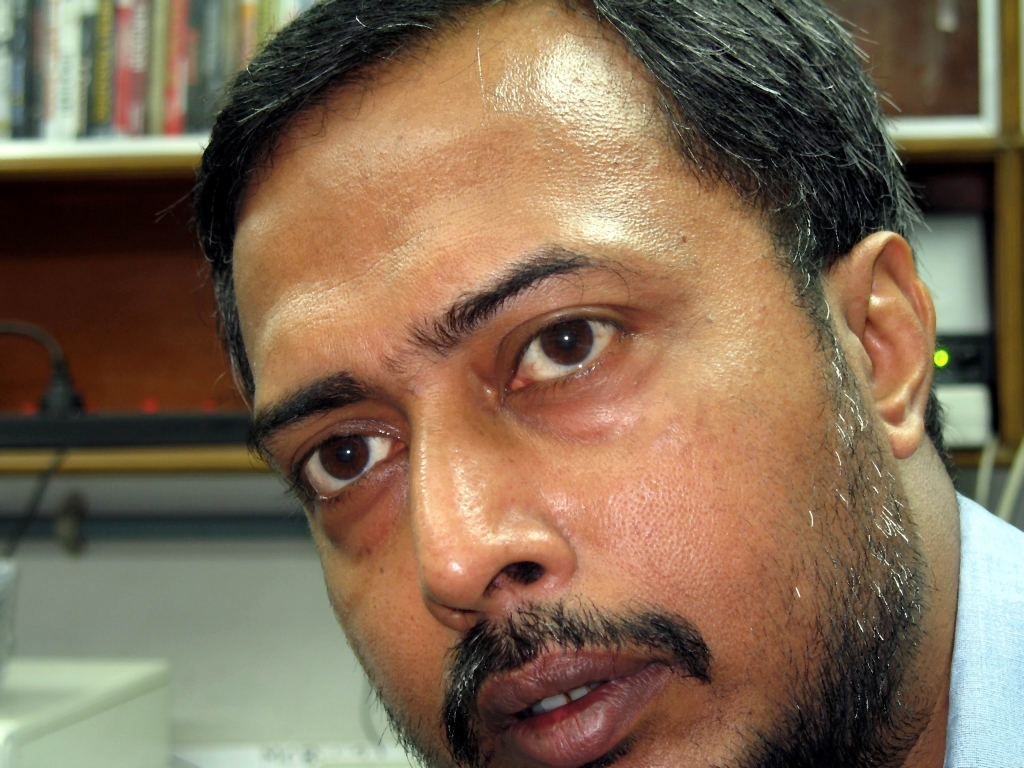 |
Moinak Biswas Ph.D. |
24146689 moinak.biswas@jadavpuruniversity.in / moinak.biswas@gmail.com |
Indian cinema; film theory; cultural theory |
| Back To Top | |||
| Assistant Professor | |||
| Photo | Name / Qualification | Telephone No. / Email ID | Specialization |
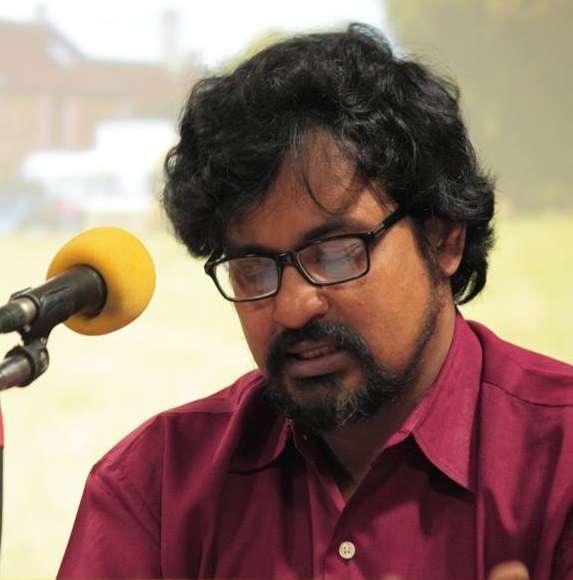 |
Anindya Sengupta Ph.D. |
anindya.sengupta@jadavpuruniversity.in / oninthough@gmail.com |
Bengali Cinema, Satyajit Ray, Ritwik Ghatak, Hollywood, Genre, Authorship, Post-war European Cinemas. |
 |
Arijeet Mandal Ph.D. |
arijeet.mandal@jadavpuruniversity.in / mandalarijeet@yahoo.in |
|
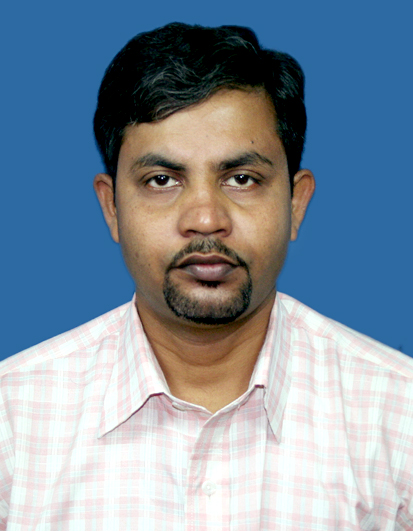 |
Manas Kr. Ghosh Ph.D. |
9831681853 manask.ghosh@jadavpuruniversity.in / manascalcutta@gmail.com |
Asian Cinema, Third Cinema, Documentary Films, New Iranian cinema. |
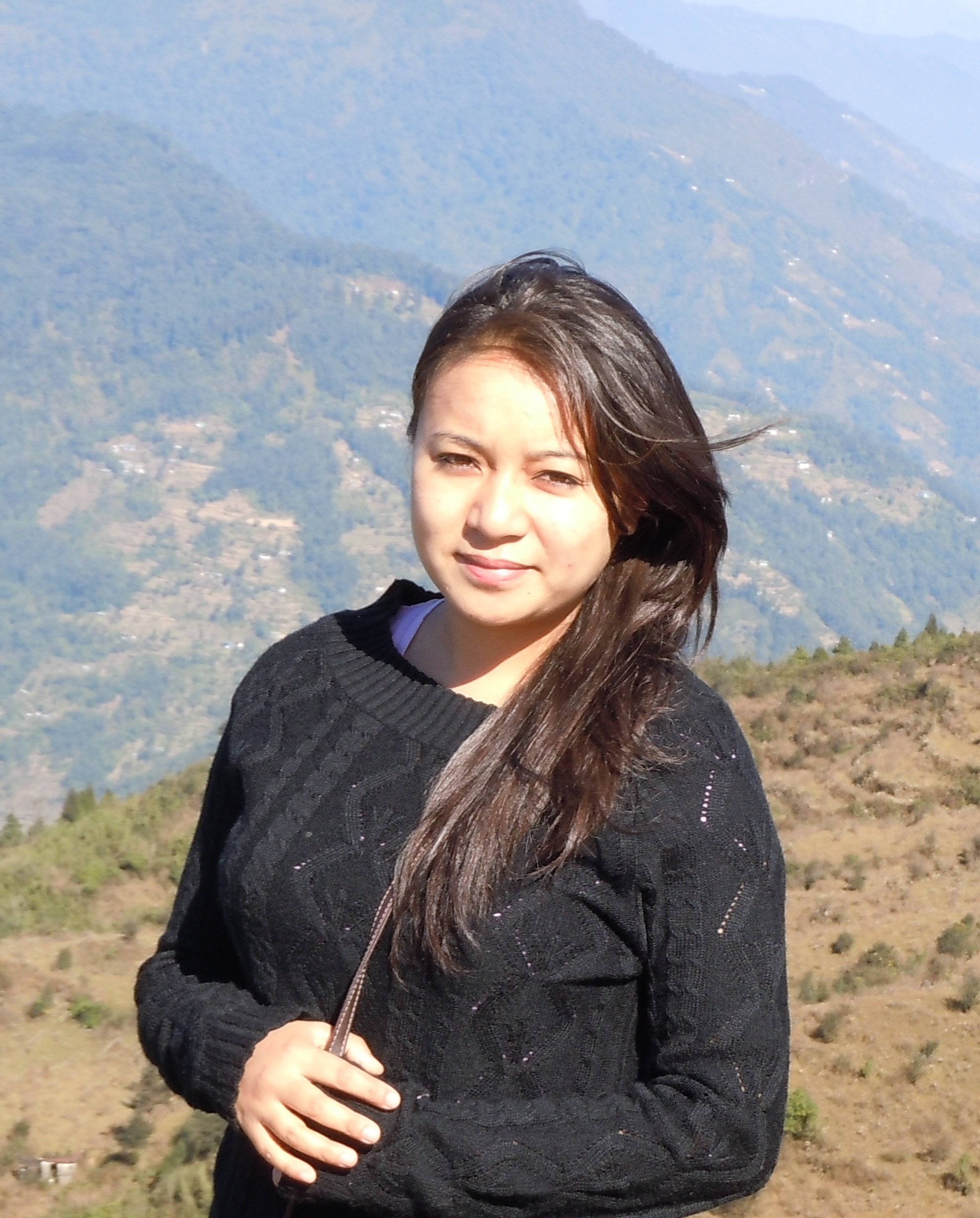 |
Shradhanjali Tamang M.Phil. |
24146689 shradhanjali.tamang@jadavpuruniversity.in |
Film and other Arts, Cultural studies. |
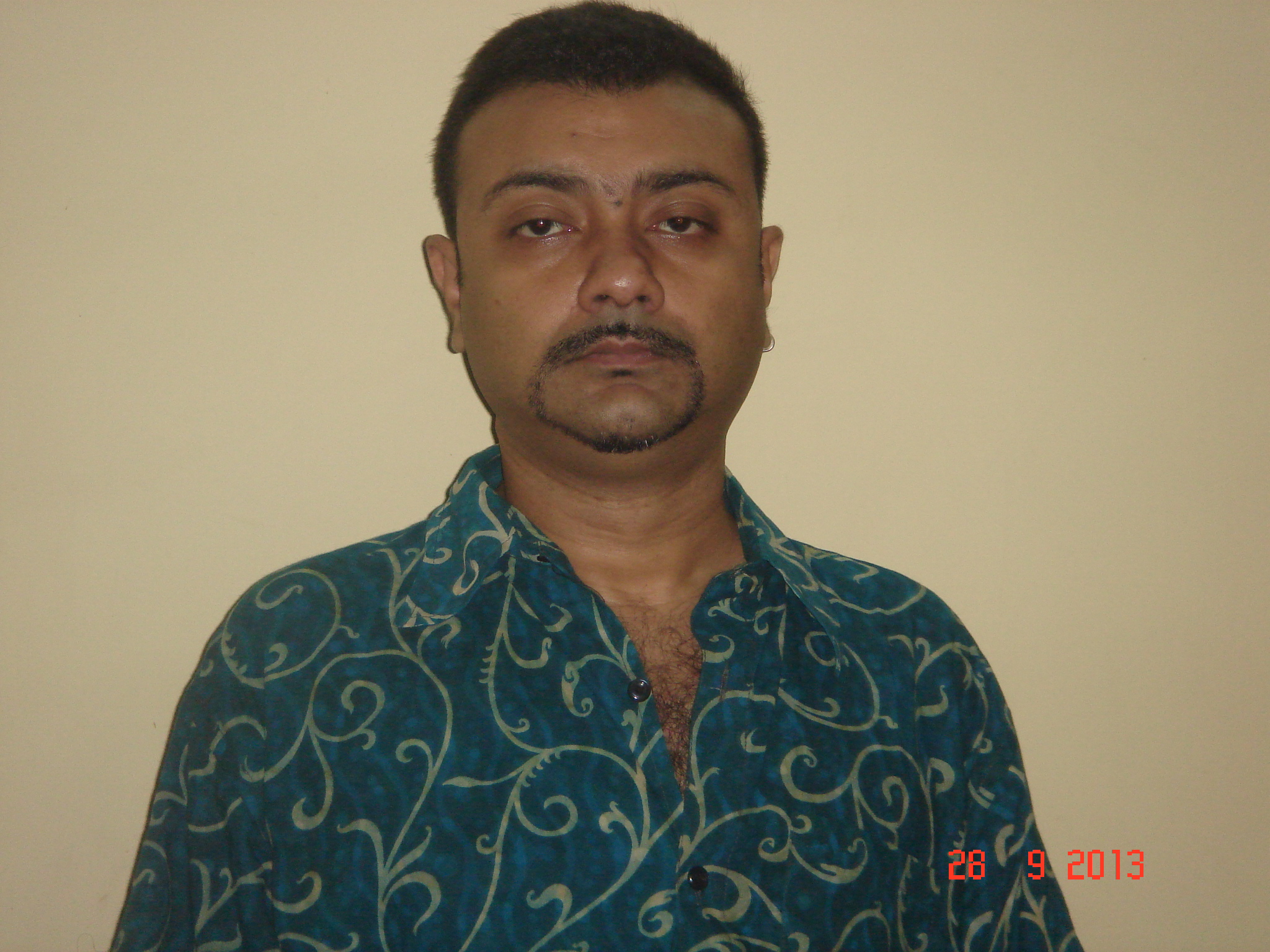 |
SUBHAJIT CHATTERJEE Ph.D. |
09831046712 subhajitc@gmail.com / subhajit.chatterjee@jadavpuruniversity.in |
Film Historiography, Bengali Cinema, Indian Film and Popular Culture, Cult and Exploitation Cinema |
| Back To Top | |||
| Departmental Recognition | |||
| Year | Recognition | Recognized By | |
| 2010 | Department of Film Studies and The Media Lab as a ‘Centre of Excellence’ | The ‘Research Councils UK’ Report ‘Arts and Humanities Research Mapping, India’ | |
| Back To Top | |||
| Degrees Offered/Intake | |||
| Degrees Offered | Intake Capacity | ||
 | M.A. | 35 | |
| BA (ED) | 35 | |
| Back To Top | |||
| Syllabus & Curriculums | |||
| BA (ED) | ||
| MA | ||
| PhD | ||
| Back To Top | |||
| Research Activities | |||
| The Department has a Ph.D programme under which the researchers can be either self-funded or funded by any legitimate agency. The teachers of the Department have undertaken research in various areas in their individual capacity. Key areas of research by teachers are Indian cinema, Indian Television, European cinema and Asian Cinema.
PhD researches completed (sample): 1. Censorship and Cinema 2. Cinema and Stage: Interaction in the Major Plays of Arthur Miller and Tennessee Williams 3. Moments of Modernity: Cinema and Social Response in Bengal between Two World Wars 4. Bollywood and the New Indian Middle Class 5. Modern Asian Cinema Ongoing PhD researches: 1. The Non-fiction film in the Context of War of Independence in Bangladesh: Problems of Realist Representation 2. Realism as an Authorial Stance in a Third World Cinema: The Instance of Satyajit Ray 3. The Rhetoric of ‘Kitsch’: Bengali Popular Cinema (1980-2000) in Search of Political Identity 4. The Citizen in Bangla Cinema, 1950-1990 5. Imagination of Science and Technology in Indian Popular Cinema, 1947-1970 6. Othering Space, Forging Selves: Contemporary Cinema, Globalisation and the New Indian Middle Class 7. Reframing Representation in Non-Western Film Culture: Old Canvases, New Perspectives in Asian Cinema 8. Assamese Cinema and Assamese Culture. | ||
| Back To Top | |||
| Laboratories Equipment | |||
| Laboratories | Equipment | ||
| The Media Lab, Gandhi Bhavan 3rd Floor. A Laboratory of 28000 sq ft, housing editing suites, sound studio, archiving project room, and audio-visual room. | Professional digital cameras, FCP based editing suites, ProTools based sound recording and mixing studio. | |
| Back To Top | |||
| Thrust Area | |||
| Indian Cinema | ||
| Television in India | ||
| Non-Western Film Cultures | ||
| Asian Cinema | ||
| Cinema of Satyajit Ray | ||
| Bengali Cinema since the 1980s | ||
| Urbanity and Bengali Cinema | ||
| Non-fiction Cinema in Bangladesh | ||
| Imagination of Science and Technology in Indian Popular Cinema | ||
| Globalisation and Diasporic Cinema | ||
| Globalization and the Indian Media | ||
| Back To Top | |||
| library | |||
| The Departmental Library has 3541 books and 1290 issues of journals, the library subscribes to 23 journals.
Film Library has 855 VHS Cassettes, 349 VCDs, 1483 DVDs, 4031 films in hard disks. | ||
| Back To Top | |||
| Departmental Site | |||
|
www.medialabju.org | ||
|
www.jmionline.org | ||
| Back To Top | |||
| Paper Published | |||
| Year | Number | ||
| of | 1 | ||
| 2013 | 2 | ||
| 2012 | 4 | ||
| 2011 | 1 | ||
| 2010 | 2 | ||
| 2008 | 3 | ||
| 2005 | 1 | ||
| 1999 | 1 | ||
| 17 | |||
| Back To Top | |||
| Book Published | |||
| Year | Number | ||
| 2014 | 1 | ||
| 2004 | 1 | ||
| Back To Top | |||
| Awards and Honours | |||
| Year | Number | ||
| 2012 | 1 | ||
| 2011 | 3 | ||
| 2009 | 1 | ||
| 2006 | 1 | ||
| 2000 | 1 | ||
| 1 | |||
| Back To Top | |||
| PHD Thesis Completed | |||
| Year | Number | ||
| 2014 | 2 | ||
| 2013 | 1 | ||
| 2012 | 2 | ||
| Back To Top | |||
| Seminars Organized | |||
| Year | Number | ||
| 2013 | 2 | ||
| 2012 | 1 | ||
| 2011 | 2 | ||
| 2010` | 1 | ||
| 2010 | 1 | ||
| 2009 | 3 | ||
| 2008 | 2 | ||
| 2007 | 1 | ||
| 2005 | 1 | ||
| 2004 | 1 | ||
| 2003 | 1 | ||
| Back To Top | |||